Created on March 25th, 2026 at 04:33 am
Table of Contents
Introduction to Healthy Pasta Salad
As the warm days of summer roll in, there’s nothing more refreshing than a light and nutritious meal that satisfies the taste buds. Enter the healthy pasta salad—a vibrant and flavorful dish that combines the best of Italian-American cuisine with a health-conscious twist. This recipe is perfect for those who enjoy preparing meals ahead of time, making it a staple in any meal prep lineup.
In this article, we’ll guide you through the benefits of choosing a healthy pasta salad, share essential and optional ingredients, and provide a detailed preparation guide. You’ll also discover pro tips, serving suggestions, and storage advice to ensure your salad stays fresh and delicious.
Why Choose a Healthy Pasta Salad?
Pasta salads are beloved for their versatility and ease of preparation. A healthy pasta salad offers the added benefit of being packed with nutritious ingredients like fresh vegetables, whole grains, and heart-healthy olive oil. These components not only enhance the flavor but also provide essential vitamins, minerals, and antioxidants. Additionally, pasta salads can be customized to suit various dietary preferences, making them an ideal choice for vegetarians and those seeking gluten-free options.
The Benefits of Meal Prepping
Meal prepping is a time-saving strategy that allows you to enjoy delicious, homemade meals throughout the week without the daily hassle of cooking. By preparing dishes like this healthy pasta salad in advance, you can ensure you always have a nutritious option on hand, reducing the temptation to reach for less healthy alternatives. Meal prepping also helps manage portion sizes and can contribute to more mindful eating habits.

Ingredients for a Perfect Healthy Pasta Salad
The key to a successful pasta salad lies in its ingredients. Combining fresh produce with a variety of textures and flavors will elevate your dish to new heights. Below, we outline the essential ingredients you’ll need to create a classic healthy pasta salad, as well as optional add-ins for those looking to experiment with flavors.
Essential Ingredients
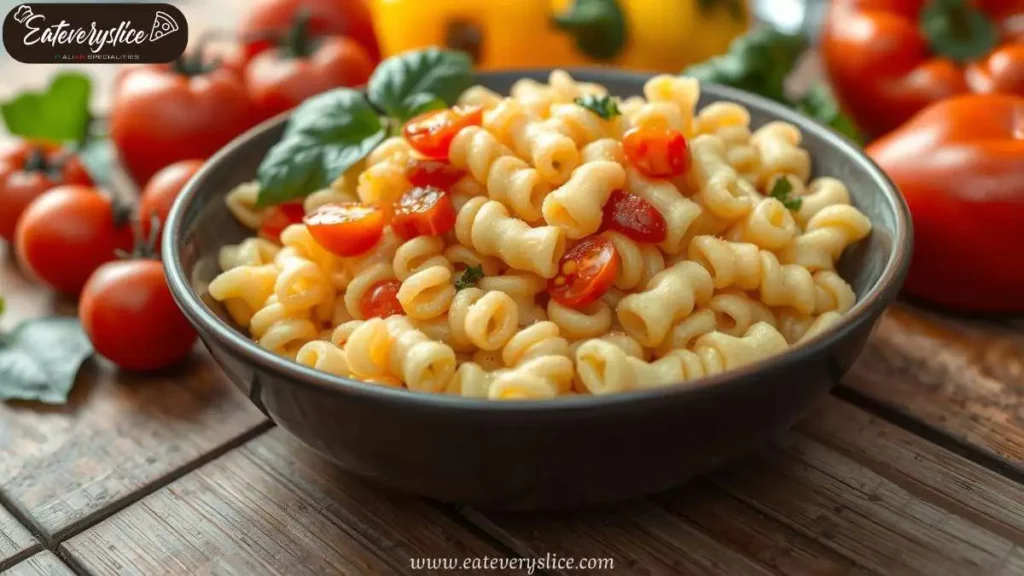
Start with a base of whole-grain or gluten-free pasta, which serves as the foundation of your dish. Add a colorful medley of vegetables such as cherry tomatoes, bell peppers, cucumbers, and red onions. For protein, consider incorporating chickpeas or white beans. Finally, a simple dressing of olive oil, lemon juice, and Italian herbs ties everything together.
Optional Add-Ins for Extra Flavor
To enhance the flavor profile of your pasta salad, consider adding ingredients like sun-dried tomatoes, olives, or artichoke hearts. For a bit of crunch, toss in some toasted pine nuts or almonds. Cheese lovers can sprinkle in crumbled feta or shaved Parmesan for added richness.
Step-by-Step Preparation Guide
Creating a healthy pasta salad is a straightforward process that involves a few simple steps. By following this guide, you’ll have a delicious dish ready in no time.
Cooking the Pasta
Begin by cooking the pasta according to the package instructions. Be sure to use ample water and a pinch of salt. Once cooked, drain the pasta and rinse it under cold water to stop the cooking process and cool it down for the salad.
Preparing the Vegetables
While the pasta is cooking, wash and chop your vegetables into bite-sized pieces. For the best flavor and texture, consider using a mix of raw and roasted vegetables.
Combining Ingredients
In a large bowl, combine the cooled pasta, chopped vegetables, and your chosen protein. Drizzle with olive oil, lemon juice, and herbs. Toss everything together until well coated. Adjust the seasoning with salt and pepper to taste.

Pro Tips
To elevate your pasta salad game, consider these pro tips that will keep your dish fresh and flavorful.
- When storing pasta salad, keep the dressing separate until just before serving to prevent sogginess.
- Experiment with herbs like basil, parsley, or dill to add a fresh twist to your salad.
- Use a high-quality olive oil for a richer taste and healthier fats.
- Adjust the acidity by adding more lemon juice or vinegar if needed.
The most crucial tip is to always taste and adjust the seasoning before serving. A pinch of salt or an extra squeeze of lemon can make all the difference in flavor.
Serving Suggestions and Variations
Pasta salad is a versatile dish that can be served in various ways. Here are some ideas to inspire your next meal.
Pairing with Other Dishes
This healthy pasta salad pairs beautifully with grilled chicken, fish, or even a crusty loaf of garlic bread. It’s also an excellent choice for picnics and potlucks, where it can be served as a side dish or main course.
Variations for Different Diets
For vegan or dairy-free versions, simply omit the cheese or replace it with a plant-based alternative. Gluten-free pasta can be used to accommodate those with gluten sensitivities. You can also Discover Healthy Vegetarian Snacks to complement your meal.
Storing and Reheating Tips
Proper storage is essential for maintaining the freshness and flavor of your pasta salad. Follow these tips for the best results.
Best Practices for Storage
Store your pasta salad in an airtight container in the refrigerator for up to four days. Keep the dressing separate if possible to avoid sogginess. For more storage ideas, Explore Healthy Raw Food Meals.
Reheating Without Losing Flavor
While pasta salad is typically served cold, you can gently warm it in a pan if desired. Add a splash of water or broth to prevent drying out, and adjust the seasoning as needed.


Healthy Pasta Salad Meal Prep

Equipment
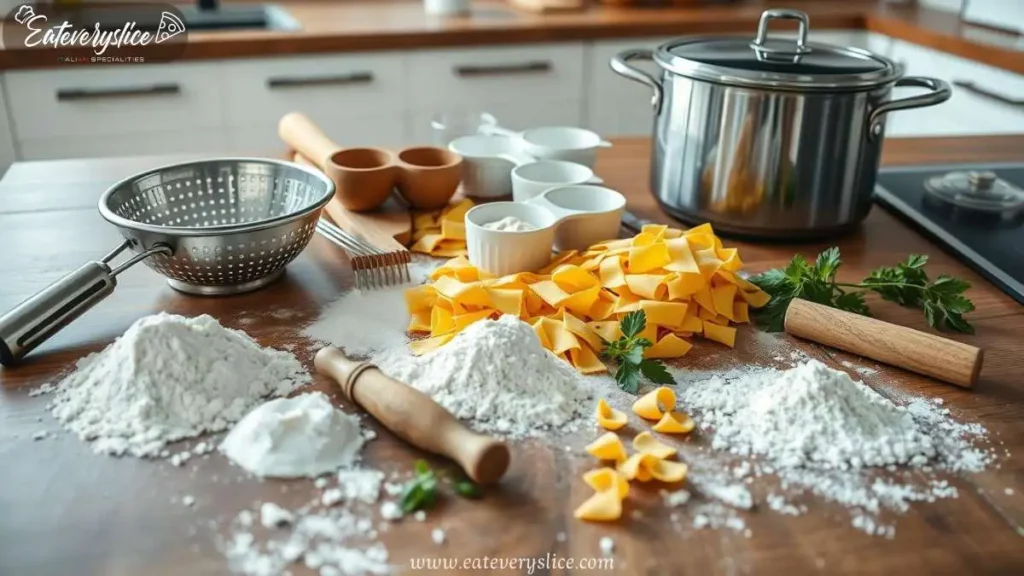
- 1 Large pot for boiling pasta
- 1 Colander for draining pasta
- 1 Large mixing bowl
Ingredients
Base Ingredients
- 12 oz whole-grain pasta
- 1 cup cherry tomatoes halved
- 1 cup bell peppers diced
- 1 cup cucumber diced
- 1/2 cup red onion thinly sliced
- 1 cup chickpeas drained and rinsed
Dressing
- 1/4 cup olive oil
- 2 tbsp lemon juice
- 1 tbsp Italian seasoning
- Salt and pepper to taste
Optional Add-Ins
- 1/4 cup sun-dried tomatoes chopped
- 1/4 cup olives sliced
- 1/4 cup feta cheese crumbled
Instructions
Preparation
- Bring a large pot of salted water to a boil. Add the pasta and cook according to package instructions until al dente. Drain and rinse under cold water to cool.
- While the pasta is cooking, wash and chop the vegetables. Halve the cherry tomatoes, dice the bell peppers and cucumber, and thinly slice the red onion.
- In a large mixing bowl, combine the cooked pasta, chopped vegetables, and chickpeas. Toss to mix evenly.
Make the Dressing
- In a small bowl, whisk together the olive oil, lemon juice, and Italian seasoning. Season with salt and pepper to taste.
- Pour the dressing over the pasta salad. Toss gently to coat all ingredients with the dressing.
Serving
- Transfer the pasta salad to a serving dish. Top with optional add-ins like sun-dried tomatoes, olives, and feta cheese if desired.
Storage
- Place the pasta salad in an airtight container and refrigerate for up to four days. Keep the dressing separate to maintain freshness.
Notes
FAQ
Can I make this pasta salad gluten-free?
Absolutely! To make this pasta salad gluten-free, simply substitute the whole-grain pasta with a gluten-free variety. There are many excellent gluten-free pasta options available that maintain a great texture and flavor. Be sure to follow the cooking instructions on the package, as gluten-free pasta may require different cooking times.
How long does this pasta salad stay fresh?
When stored properly in an airtight container in the refrigerator, this pasta salad can stay fresh for up to four days. To maintain its crispness, keep the dressing separate and add it just before serving. If the salad seems a bit dry after being stored, you can refresh it with a little extra olive oil or lemon juice.
What are some variations for different dietary needs?
This pasta salad is highly adaptable to various dietary needs. For a vegan version, simply omit the cheese or replace it with a vegan alternative. If you’re aiming for a higher protein content, consider adding grilled chicken or tofu. For those watching their sodium intake, use low-sodium canned beans and adjust the amount of added salt in the dressing.