Created on March 15th, 2026 at 08:34 am
Table of Contents
Introduction to Best Homemade Pizza Dough Recipe
There’s something magical about making pizza at home. The aroma of freshly baked dough, the bubbling cheese, and the satisfaction of crafting your own creation make it an experience like no other. This guide dives into the nuances of the best homemade pizza dough recipe, ensuring every pizza night is a delight.
In this article, we’ll explore why homemade pizza dough can be superior to store-bought alternatives, the ideal ingredients for perfect texture and flavor, and the versatility that homemade dough offers. Whether you’re a seasoned chef or a kitchen novice, this guide is designed to help you create pizza dough with ease and confidence.
Why Homemade Pizza Dough?
Homemade pizza dough offers a freshness and quality that pre-packaged doughs simply can’t match. By making your own dough, you have control over every ingredient, allowing you to adjust for dietary needs and flavor preferences. Plus, there’s a rewarding sense of accomplishment in crafting something from scratch.
The Perfect Texture and Flavor
Achieving the perfect pizza dough involves balancing chewiness with a slight crispness. The right mix of ingredients, including quality flour and the proper yeast, plays a crucial role. Our recipe focuses on these key aspects to ensure your dough is both flavorful and texturally satisfying.
Versatility of Homemade Dough
One of the greatest advantages of making your own pizza dough is its versatility. You can adapt the dough for thin-crust pizzas, deep-dish styles, or even calzones and breadsticks. Once you’ve mastered the base recipe, the possibilities for customization are endless.

Ingredients for the Best Pizza Dough
Creating the best homemade pizza dough starts with selecting the right ingredients. Each component plays a vital role in the dough’s final taste and texture. Let’s explore the essentials.
Essential Ingredients
The core ingredients for pizza dough include flour, yeast, water, and salt. Each contributes to the dough’s foundation, from providing structure to enhancing flavor. Optional additions like olive oil can add richness and improve the dough’s elasticity.
Choosing the Right Flour
Flour is the backbone of any pizza dough. For a traditional Italian pizza dough, all-purpose flour works well, but for a chewier texture, consider using bread flour. The higher protein content in bread flour helps develop gluten, which gives the dough its elasticity and chew.
Using Instant Yeast
Instant yeast is a convenient choice for homemade pizza dough. It doesn’t require pre-proofing, making the process quicker and more straightforward. Instant yeast also provides a reliable rise, ensuring your dough is airy and light.
Step-by-Step Guide to Making Pizza Dough
Creating pizza dough from scratch is a rewarding process. Follow these steps to ensure your dough comes out perfectly every time.
Mixing and Kneading the Dough
Begin by combining your dry ingredients in a large mixing bowl. Gradually add water and mix until a dough forms. Knead the dough on a floured surface for about 10 minutes until smooth and elastic. This process develops the gluten, crucial for a chewy crust.
Letting the Dough Rise
Once kneaded, place the dough in a lightly oiled bowl, cover with a damp cloth, and let rise in a warm place until doubled in size, about 1 to 2 hours. This rise is essential for developing the dough’s flavor and texture.
Shaping the Dough
After the dough has risen, punch it down to remove excess air. Divide into portions and shape each into a ball. Let rest for a few minutes before rolling out to your desired thickness. This resting period helps relax the gluten, making it easier to shape.
Pro Tips
Mastering homemade pizza dough requires some insider tips. Here are a few to ensure your dough turns out perfect every time.
- For a crispy crust, preheat your pizza stone or baking sheet in the oven before placing the dough on it.
- If you plan to make the dough in advance, you can refrigerate it for up to 3 days or freeze it for longer storage.
- If your dough is too sticky, add a little more flour, but avoid over-flouring as it can make the dough dense.
- To ensure even baking, rotate the pizza halfway through the cooking time.
One of the most important tips is to experiment and adjust based on personal preferences. Whether you prefer a thicker crust or a more traditional thin Italian style, the beauty of homemade dough is in its adaptability.
Serving Suggestions and Variations
Once your dough is ready, the fun truly begins. Choosing toppings and sides can elevate your pizza night to a gourmet experience.
Classic Pizza Toppings
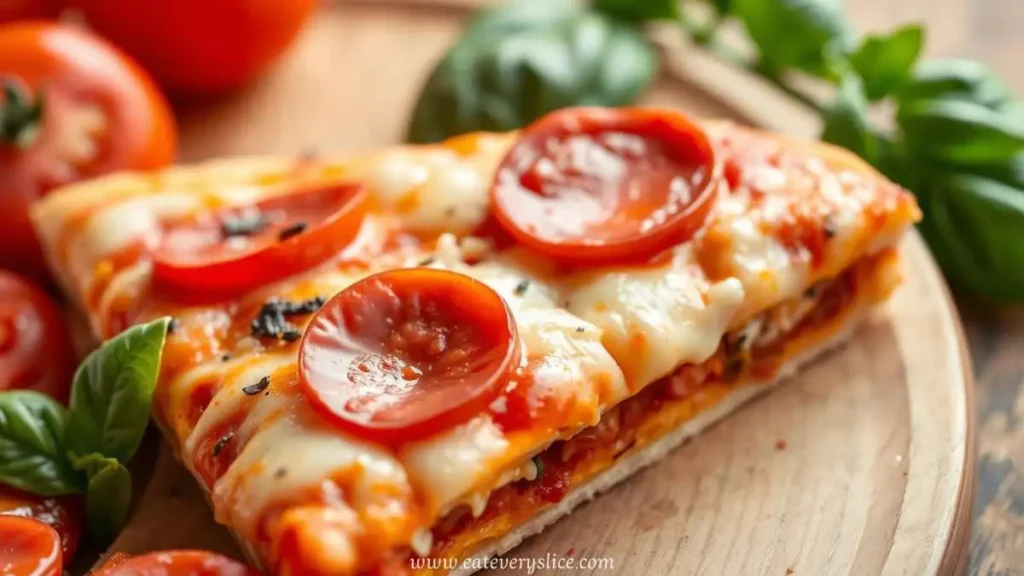
Traditional toppings like mozzarella, pepperoni, and fresh basil are always a hit. These ingredients complement the dough without overpowering it, allowing the crust’s flavor to shine.
Gourmet Pizza Ideas
For a more sophisticated twist, consider toppings like prosciutto, arugula, or goat cheese. These ingredients can transform a simple pizza into a gourmet dish. For inspiration, check out our Best Dill Pickle Pizza Recipe or Chicago Pizza Authentic Recipe.
Pairing with Sides and Drinks
Pair your pizza with a crisp salad or garlic bread for a complete meal. A chilled glass of wine or a refreshing soda also makes for a delightful accompaniment. For more ideas, explore our Best Pizza Combos To Try Today.
If you’re hosting a gathering, consider adding a few appetizers from Best Appetizer Recipes For Game Day to your menu for a truly memorable experience.


Best Homemade Pizza Dough Recipe

Equipment
- 1 Large mixing bowl
- 1 pizza stone or baking sheet preheated
- 1 Rolling Pin
Ingredients
Dry Ingredients
- 3 1/2 cups all-purpose flour
- 1 packet instant yeast 2 1/4 tsp
- 1 tsp salt
Wet Ingredients
- 1 1/4 cups warm water 110°F
- 2 tbsp olive oil
Instructions
Preparation
- In a large mixing bowl, combine the flour, instant yeast, and salt. Stir until well mixed.
- Pour in the warm water and olive oil. Mix until a dough begins to form.
- Transfer the dough to a floured surface. Knead for 10 minutes until the dough is smooth and elastic.
- Place the dough in a lightly oiled bowl. Cover and let rise in a warm area for 1 to 2 hours, or until doubled in size.
- Punch down the dough to release air. Divide into portions and shape into balls. Let rest for 10 minutes.
- Preheat your oven to 475°F, placing a pizza stone or baking sheet inside to heat.
- Roll each dough ball into a circle of your desired thickness. Transfer to a sheet of parchment paper.
- Top with your favorite sauce, cheese, and toppings. Be creative or keep it classic.
- Carefully slide the parchment paper with the pizza onto the preheated stone or baking sheet. Bake for 10-12 minutes until the crust is golden and toppings are cooked.
- Remove from the oven and let cool for a few minutes before slicing. Enjoy your homemade pizza with your favorite sides and drinks.
Storage
- Store any unused dough in an airtight container in the refrigerator for up to 3 days or freeze for up to 3 months.
Notes
FAQ
Can I use bread flour instead of all-purpose flour?
Yes, you can use bread flour instead of all-purpose flour. Bread flour has a higher protein content, which can result in a chewier crust. This is a great option if you prefer a dough with more bite. Just remember that bread flour may absorb more water, so you might need to adjust the water content slightly. Experiment to find the perfect texture for your taste.
How do I know if my yeast is still good?
To test if your yeast is still active, you can perform a simple proofing test. In a small bowl, mix about 1/4 cup of warm water with a teaspoon of sugar and a packet of yeast. Let it sit for 5-10 minutes. If the mixture becomes frothy and bubbly, your yeast is still good. If not, it’s time to replace it with a fresh packet. Always check the expiration date before using.