Created on June 30th, 2026 at 08:23 pm
Table of Contents
Introduction to Tomato Basil Pesto Pasta
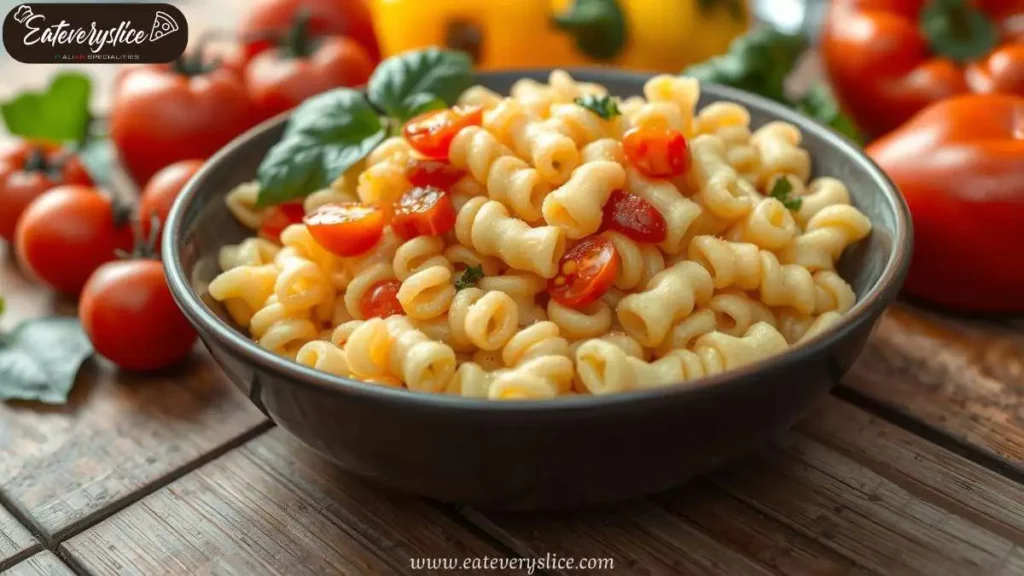
Tomato Basil Pesto Pasta is a quintessential dish that captures the essence of Italian cuisine with its fresh and vibrant flavors. This delightful pasta recipe combines the sweet and tangy notes of sun-ripened tomatoes with the aromatic freshness of basil, creating a harmonious blend that is both satisfying and invigorating.
In this article, we’ll take a deep dive into the origins of pesto, explore why this particular recipe is a must-try, and show you how it can be perfect for any occasion, whether a family dinner or a summer gathering.
The Origins of Pesto
Pesto, originating from the Italian region of Liguria, is traditionally made by crushing garlic, pine nuts, and basil with a pinch of salt, then mixing in cheeses like Parmigiano-Reggiano and Pecorino, and finally blending it with olive oil. This classic sauce has found its way into various dishes worldwide, loved for its versatility and rich flavor.
Why You’ll Love This Recipe
This Tomato Basil Pesto Pasta recipe is not only easy to make but also a feast for the senses. The combination of fresh ingredients makes it a nourishing choice that captures the essence of Italian home cooking. It’s a dish that allows the natural flavors of summer to shine, making it ideal for a light yet satisfying meal.
Perfect for Any Occasion
Whether you’re hosting a dinner party or preparing a quick family meal, this pasta dish fits the bill. Its vibrant colors and fresh taste make it a standout choice for any occasion, bringing a touch of Italian charm to your table.

Ingredients for Tomato Basil Pesto Pasta
The success of this dish hinges on the quality of its ingredients. Freshness is key, so be sure to choose the best produce available to you.
Essential Ingredients
The core ingredients for this recipe include fresh basil leaves, ripe tomatoes, garlic, pine nuts, Parmigiano-Reggiano cheese, extra virgin olive oil, and your choice of pasta. Each component plays a crucial role in building the dish’s depth of flavor.
Choosing the Right Pasta
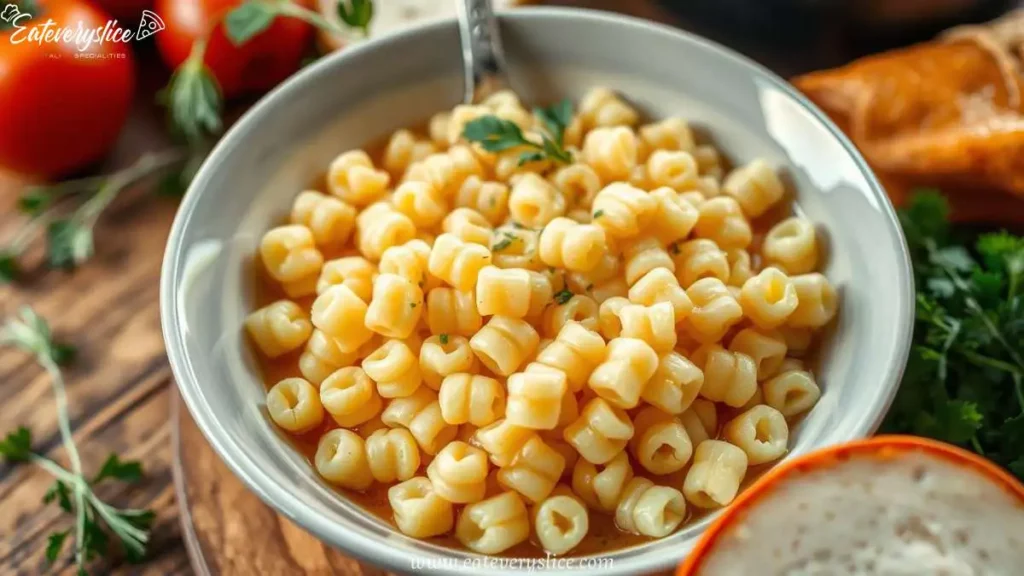
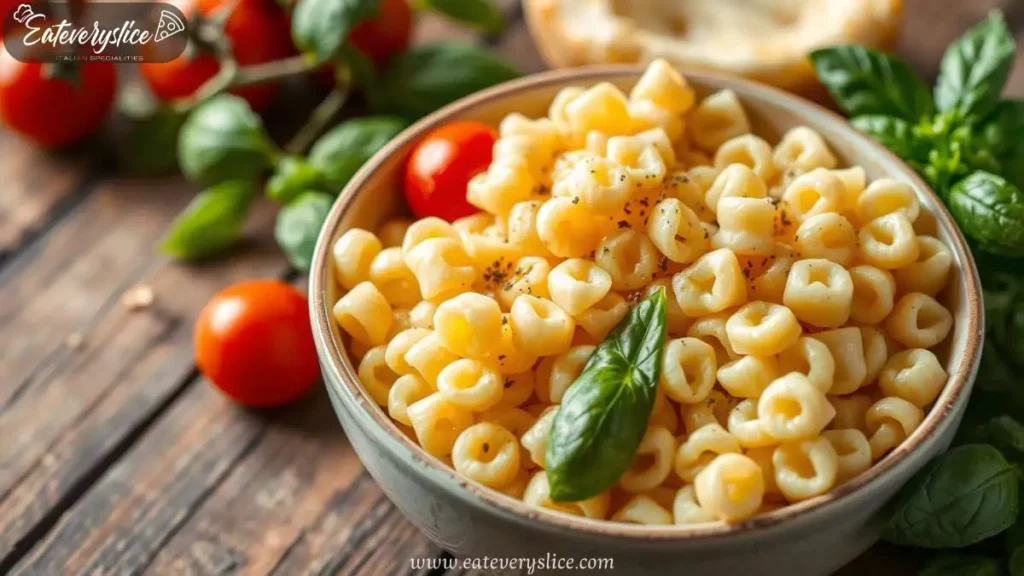
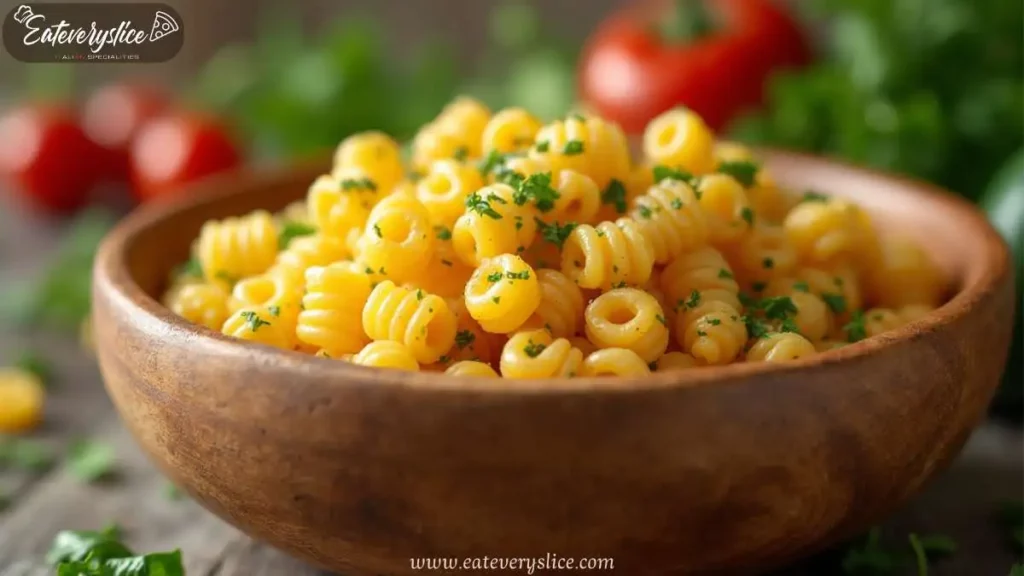
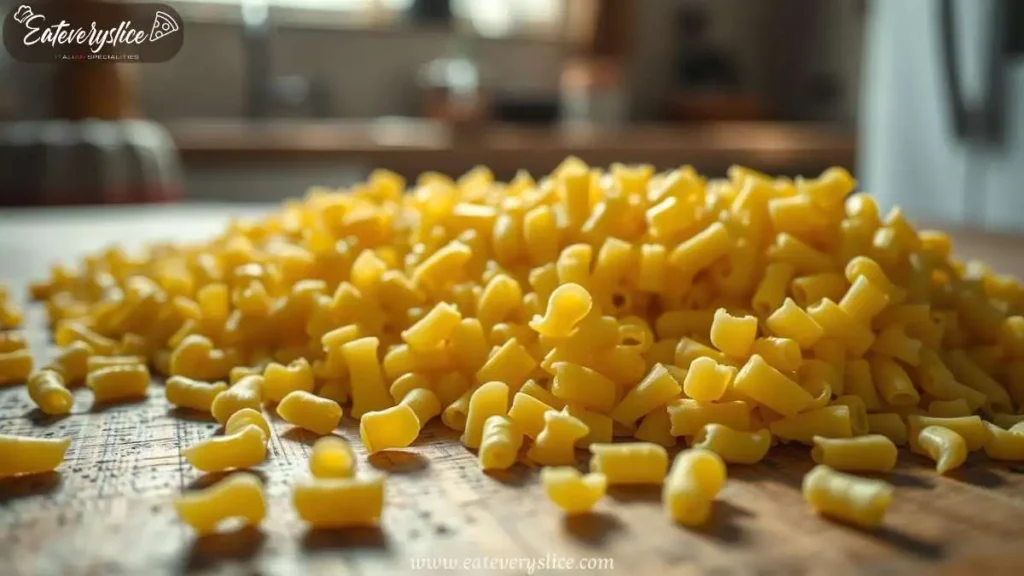
When it comes to pasta, a variety that can hold the sauce well, such as fusilli or penne, is ideal. These shapes allow the pesto to cling to the pasta, ensuring each bite is packed with flavor.
Optional Add-ins
Feel free to customize this recipe with additional ingredients such as grilled chicken, roasted vegetables, or even sun-dried tomatoes for a more robust flavor profile.
How to Make Tomato Basil Pesto Pasta
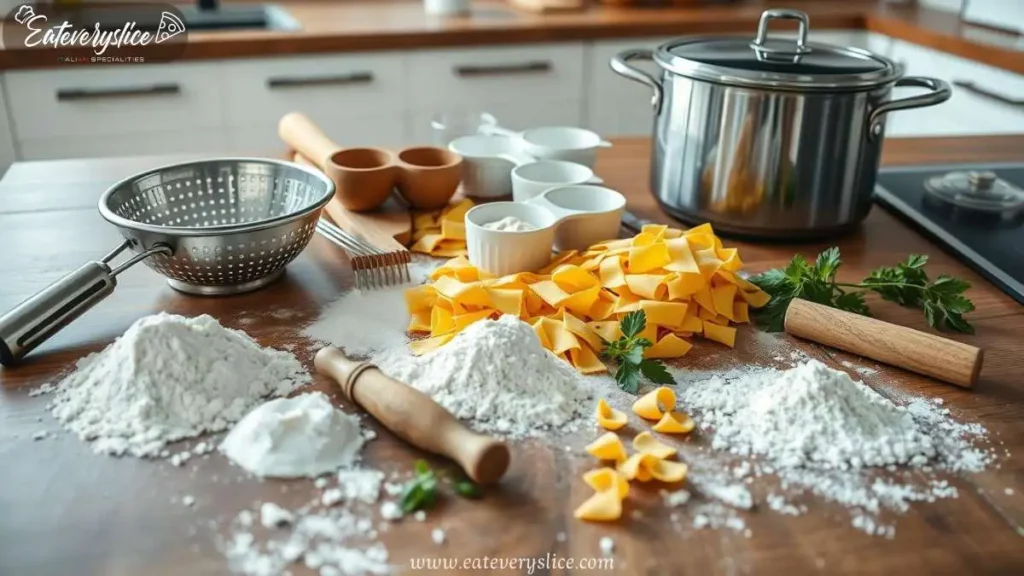
Crafting this dish is a straightforward process that involves making the pesto, cooking the pasta, and then combining everything together.
Preparing the Pesto Sauce
Start by blending fresh basil leaves, garlic, pine nuts, and cheese in a food processor. Slowly drizzle in the olive oil until a smooth, creamy consistency is achieved. Season with salt and pepper to taste.
Cooking the Pasta
Bring a large pot of salted water to a boil and cook your chosen pasta until al dente. This typically takes about 8–10 minutes. Drain and set aside, reserving a cup of pasta water to adjust the sauce consistency later if needed.
Combining Ingredients
In a large mixing bowl, toss the cooked pasta with the fresh pesto sauce and chopped tomatoes. If the sauce is too thick, add some reserved pasta water to achieve the desired consistency. Serve immediately, garnished with additional cheese and basil leaves.

Pro Tips
To make the most of your Tomato Basil Pesto Pasta, consider these expert tips.
- Use the freshest basil leaves you can find to ensure the best flavor and aroma.
- Toast the pine nuts before blending to enhance their nutty flavor.
- Add a squeeze of lemon juice to the pesto for a hint of brightness.
- Reserve some pasta water to help emulsify the pesto sauce and pasta.
The most important tip is to enjoy the process of making pesto from scratch. This not only enhances the flavor but also provides a rewarding cooking experience.
Serving Suggestions
Pairing your Tomato Basil Pesto Pasta with the right sides and beverages can elevate your meal from simple to sophisticated.
Wine Pairings
A crisp white wine like Sauvignon Blanc or a light red such as Pinot Noir complements the fresh, herbaceous notes of the pesto beautifully. These wines enhance the dish without overpowering it.
Complementary Dishes
Consider serving this pasta alongside a simple green salad or a crusty loaf of Italian bread to round out your meal. For more ideas, check out this Tomato Basil Chickpea Orzo Skillet for a delightful twist on classic flavors.
Nutritional Information
Understanding the nutritional benefits of each ingredient can help you make informed dietary choices.
Caloric Breakdown
This pasta dish is a balanced meal, providing carbohydrates from the pasta, healthy fats from the olive oil and pine nuts, and protein from the cheese. Each serving is satisfying without being overly indulgent.
Health Benefits of Basil and Tomatoes
Basil is rich in antioxidants and has anti-inflammatory properties, while tomatoes are an excellent source of vitamins A and C. Together, they contribute to a healthy and nutritious meal that’s packed with flavor.


Tomato Basil Pesto Pasta

Equipment
- 1 food processor
- 1 Large pot for boiling pasta
- 1 Mixing Bowl large
Ingredients
Pesto Sauce
- 2 cups fresh basil leaves
- 3 cloves garlic peeled
- 1/4 cup pine nuts
- 1/2 cup grated Parmigiano-Reggiano cheese
- 1/2 cup extra virgin olive oil
- Salt and pepper to taste
Pasta
- 12 oz pasta of choice such as fusilli or penne
- 2 large ripe tomatoes diced
Instructions
Preparation
- In a food processor, combine fresh basil leaves, garlic, and pine nuts. Blend until finely chopped. Add Parmigiano-Reggiano cheese and slowly drizzle in olive oil while processing until smooth. Season with salt and pepper.
- In a large pot of salted boiling water, cook the pasta until al dente, about 8–10 minutes. Reserve 1 cup of pasta water, then drain the pasta.
- In a large mixing bowl, toss the cooked pasta with the prepared pesto sauce and diced tomatoes. If the sauce is too thick, add reserved pasta water to achieve desired consistency.
- Serve immediately, garnished with additional grated Parmigiano-Reggiano and fresh basil leaves.
Storage
- Store any leftovers in an airtight container in the refrigerator for up to 3 days. Reheat gently before serving.
Notes
FAQ
Can I make the pesto sauce ahead of time?
Yes, you can prepare the pesto sauce a day in advance. Store it in an airtight container in the refrigerator to maintain its vibrant green color and fresh flavor. When you’re ready to use it, allow it to come to room temperature and give it a good stir before combining it with the pasta.
What can I use instead of pine nuts in the pesto?
If pine nuts are unavailable or too expensive, you can substitute them with walnuts, almonds, or even sunflower seeds. Each option will slightly alter the flavor of the pesto, but they all provide a nutty richness that complements the basil beautifully.