Created on March 15th, 2026 at 05:12 pm
Table of Contents
Introduction to Italian Pizza Recipes Homemade
There’s nothing quite like the aroma of a freshly baked pizza wafting through your home. Crafting Italian pizza recipes at home can transform your kitchen into a pizzeria, offering a slice of Italy within your own four walls. With the right ingredients and techniques, you can create authentic Italian pizza that rivals any restaurant.
Making pizza at home allows you to explore the rich flavors and textures of traditional Italian cuisine. From kneading the dough to choosing your favorite toppings, the process is both rewarding and delicious. With a few essential tools and a bit of practice, you’ll be crafting mouth-watering pizzas in no time.
The Charm of Homemade Italian Pizza
Homemade pizza offers a unique charm that goes beyond just taste. It connects you to the heart of Italian culinary traditions and allows you to experiment with flavors while enjoying a fun cooking experience. From classic Margherita to pepperoni and veggie options, your personal touch can elevate each pie.
Why Make Pizza at Home?
Making pizza at home not only saves money but also ensures you know exactly what goes into your meal. It provides an opportunity to use fresh, quality ingredients and customize each pie to your liking. Plus, it can be a fun activity for family and friends, creating memories while crafting delicious food.
Essential Tools for Pizza Making
To make the perfect pizza, a few essential tools can make all the difference. A pizza stone or steel ensures even baking, while a good pizza peel helps in transferring the pizza in and out of the oven. A rolling pin and a sharp pizza cutter are also valuable additions to your pizza-making arsenal.

Ingredients for Perfect Italian Pizza
Choosing the right ingredients is crucial for making a perfect Italian pizza. Start with high-quality flour for the dough, a well-balanced sauce, and fresh toppings to ensure your pizza is both authentic and delicious.
Choosing the Right Flour
The foundation of any pizza is its dough. Opt for ’00’ flour if available, as it’s finely ground and ideal for pizza. All-purpose flour can also be used but may yield a slightly different texture. The right flour ensures that your dough is elastic and rises beautifully.
The Secret to Authentic Sauce
An authentic Italian pizza sauce is simple but flavorful. Use high-quality canned tomatoes, such as San Marzano, and season with salt, fresh basil, and a touch of olive oil. Avoid cooking the sauce, as fresh flavors are key to a traditional taste.
For more on toppings, see Authentic Italian Pizza Toppings.
Selecting Classic Toppings
Classic pizza toppings include fresh mozzarella, basil, and tomatoes for a Margherita pizza. For meat lovers, pepperoni and sausage are popular choices. Vegetarians can enjoy a variety of vegetables like bell peppers, mushrooms, and olives. The key is to balance flavors and textures for a delightful bite.
Enhance your flavors with Homemade Italian Seasoning.
Step-by-Step Guide to Making Pizza Dough
Creating the perfect pizza dough is an art. With the right technique, you can achieve a dough that is both chewy and crispy, providing the ideal base for your toppings.
Mixing and Kneading the Dough
Start by combining your flour, water, yeast, and salt. Mix until the dough comes together, then knead for about 10 minutes until smooth and elastic. This process develops gluten, giving the dough its structure.
For a detailed dough recipe, check out our Pizza Dough From Scratch Recipe.
Letting the Dough Rise
Once kneaded, let the dough rise in a warm place until it doubles in size. This can take anywhere from 1 to 2 hours depending on the temperature. Rising allows the yeast to ferment the dough, creating a light and airy texture.
Shaping the Perfect Pizza Base
After the dough has risen, punch it down and divide it into portions. Roll each portion into a ball and then flatten into a disk. Use your hands or a rolling pin to shape the dough, leaving a slightly thicker edge for the crust.
Creating Classic Italian Pizza Varieties
With your dough ready, it’s time to explore classic Italian pizzas. Each variety brings its own unique flavors, reflecting the diversity of Italian cuisine.
Margherita Pizza
The Margherita is a timeless classic. Spread your pizza sauce over the dough, then add fresh mozzarella slices and basil leaves. Drizzle with olive oil before baking for a simple yet delicious pie.
Pepperoni and Sausage Pizza
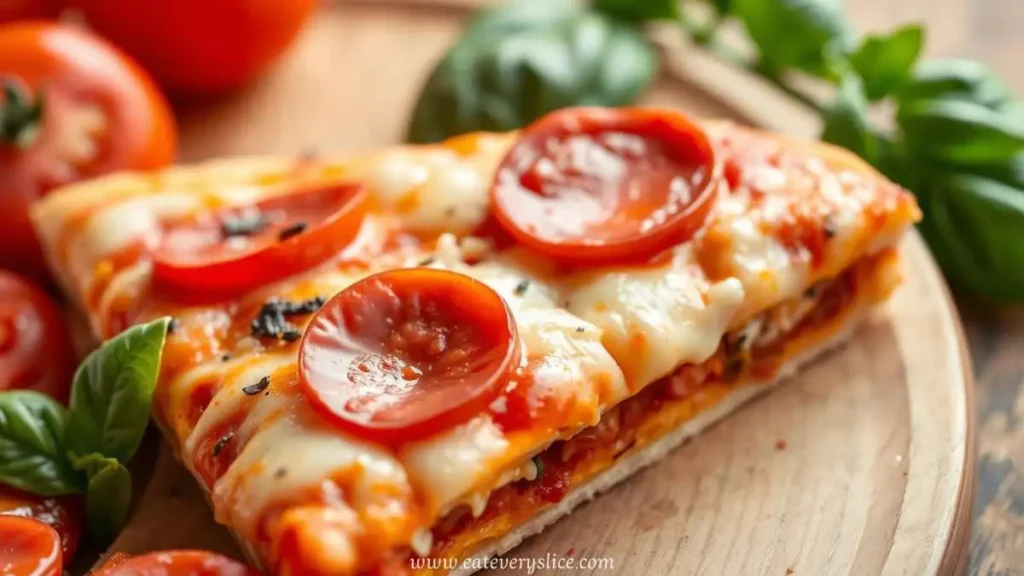
For a heartier option, top your pizza with pepperoni slices and cooked sausage. The combination of these savory meats with melted cheese makes for a satisfying meal.
Vegetarian Delight Pizza
For a veggie-packed option, use toppings like bell peppers, mushrooms, onions, and olives. Add fresh arugula after baking for a refreshing finish.
Pro Tips
Mastering pizza at home takes practice, but these tips will help you get there faster.
- Use a high-temperature oven to achieve a crispy crust.
- Let your dough rest at room temperature before shaping.
- Less is more when it comes to toppings—avoid overloading your pizza.
- Experiment with different cheeses for varied flavor profiles.
The most important tip is to have fun and enjoy the process. Each pizza is an opportunity to improve your skills and enjoy a delicious meal.
Serving and Enjoying Your Homemade Pizza
Once your pizza is ready, it’s time to serve and savor. Presentation can enhance the dining experience, so consider creative ways to serve your pizza.
Pairing with Italian Wines
A glass of Italian wine can complement your homemade pizza perfectly. Chianti pairs well with tomato-based pizzas, while a crisp Pinot Grigio can enhance lighter toppings.
Creative Presentation Ideas
Consider serving your pizza with a side of Italian Herb And Cheese Bread for an extra touch. Use fresh herbs as garnish or slice the pizza into bite-sized pieces for a party-friendly option.


Italian Pizza Recipes You Can Make at Home

Equipment
- 1 pizza stone preheated
- 1 Pizza Peel
- 1 Mixing Bowl large
Ingredients
Pizza Dough
- 3 1/2 cups all-purpose flour
- 1 1/4 cups warm water
- 1 packet 2 1/4 tsp active dry yeast
- 2 tbsp olive oil
- 1 tsp salt
- 1 tsp sugar
Pizza Sauce
- 1 can 28 oz San Marzano tomatoes
- 2 cloves garlic minced
- 2 tbsp olive oil
- 1 tsp salt
- 1/2 tsp black pepper
- 1/4 cup fresh basil chopped
Toppings
- 8 oz fresh mozzarella sliced
- 1/2 cup pepperoni slices
- 1/2 cup cooked Italian sausage
- 1/2 cup sliced bell peppers
- 1/4 cup sliced black olives
Instructions
Preparation
- In a large mixing bowl, combine flour, yeast, salt, and sugar. Add warm water and olive oil. Mix until the dough begins to come together.
- Turn the dough onto a floured surface and knead for 10 minutes until it is smooth and elastic. Place back in the bowl, cover, and let rise for 1-2 hours until doubled in size.
- In a blender, combine San Marzano tomatoes, garlic, olive oil, salt, pepper, and basil. Blend until smooth and set aside.
Assembly
- Preheat the oven to 475°F with a pizza stone inside. Divide the dough into two balls. Roll each into a 12-inch circle on a floured surface.
- Spread sauce over the base of each pizza. Add mozzarella, pepperoni, sausage, peppers, and olives.
Baking
- Transfer the pizza to the preheated stone using a pizza peel. Bake for 10-15 minutes until the crust is golden and the cheese is bubbly.
Serving
- Remove from the oven and let cool slightly before slicing. Serve warm with your favorite condiments.
Storage
- Allow any leftovers to cool completely. Store in an airtight container in the refrigerator for up to 3 days.
Notes
FAQ
Can I use whole wheat flour for the pizza dough?
Yes, you can substitute whole wheat flour for some or all of the all-purpose flour in your pizza dough. Keep in mind that whole wheat flour will result in a denser dough with a nuttier flavor. To maintain some lightness, you might want to use a combination of whole wheat and all-purpose flour, adjusting the water as needed to achieve the right consistency.
How do I prevent my pizza from being soggy?
To prevent a soggy pizza, ensure your oven is preheated to a high temperature, ideally 475°F or higher. A preheated pizza stone will help cook the crust quickly, sealing moisture in the toppings. Avoid overloading your pizza with sauce and toppings, as too much moisture can make the crust soggy. Use fresh ingredients and drain any excess liquid from canned toppings like tomatoes or olives before adding them.