Created on November 20th, 2026 at 04:43 am
Table of Contents
Introduction: Gochujang Cream Pasta
The Fusion of Italian and Korean Flavors
In the world of culinary fusion, few combinations are as exciting and flavorful as the blend of Italian and Korean cuisines. Gochujang Cream Pasta is a delightful dish that marries the rich, creamy textures of Italian pasta with the spicy, umami-rich flavors of Korean gochujang. This unique pasta dish is perfect for those who love to experiment with bold and dynamic flavors in their cooking.
Gochujang, a staple in Korean cooking, is a fermented red chili paste that brings a deep, robust flavor to dishes. When paired with a creamy sauce and tender pasta, it creates a harmonious balance that is both comforting and adventurous. This recipe allows you to explore new culinary territories while still enjoying the familiar comfort of pasta.
Why You’ll Love This Recipe
There are numerous reasons why Gochujang Cream Pasta will become a favorite in your recipe collection. First and foremost, it offers a delightful departure from traditional pasta dishes, introducing a spicy kick that will awaken your taste buds. The creamy gochujang sauce coats each strand of pasta, providing a luscious texture that is incredibly satisfying.
Additionally, this dish is surprisingly simple to prepare, making it ideal for weeknight dinners or special occasions. With just a few key ingredients, you can create a restaurant-quality meal at home. Whether you’re a seasoned cook or a beginner in the kitchen, this recipe is approachable and rewarding.

Love Italian cooking at home? 🍝
Get new pasta, pizza and dessert recipes made for American kitchens in your inbox every week. Free, no spam, unsubscribe anytime. See our Privacy Policy.
Ingredients
Essential Ingredients for Gochujang Cream Pasta
To make Gochujang Cream Pasta, you’ll need the following essential ingredients:
- Pasta: Use your favorite type of pasta; spaghetti, fettuccine, or linguine work well.
- Gochujang: This Korean red chili paste is the star of the dish, providing depth and heat.
- Heavy Cream: Adds richness and creaminess to the sauce.
- Garlic: Fresh garlic enhances the savory flavors.
- Parmesan Cheese: Grated Parmesan adds a salty, nutty flavor that complements the spice.
- Olive Oil: For sautéing and flavor.
- Salt and Pepper: To taste, for seasoning.
Substitutions and Variations
If you’re looking to customize this recipe, there are several substitutions and variations you can consider. For a lighter version, substitute half-and-half for heavy cream. You can also add vegetables like spinach or bell peppers for extra nutrition and color. For a protein boost, consider adding grilled chicken or shrimp.
Step-by-Step Instructions
Preparing the Pasta
Begin by cooking your pasta according to the package instructions. Ensure it’s cooked al dente, as it will continue to cook slightly when mixed with the sauce. Once done, drain the pasta and set it aside, reserving a cup of the pasta water.
Making the Gochujang Cream Sauce
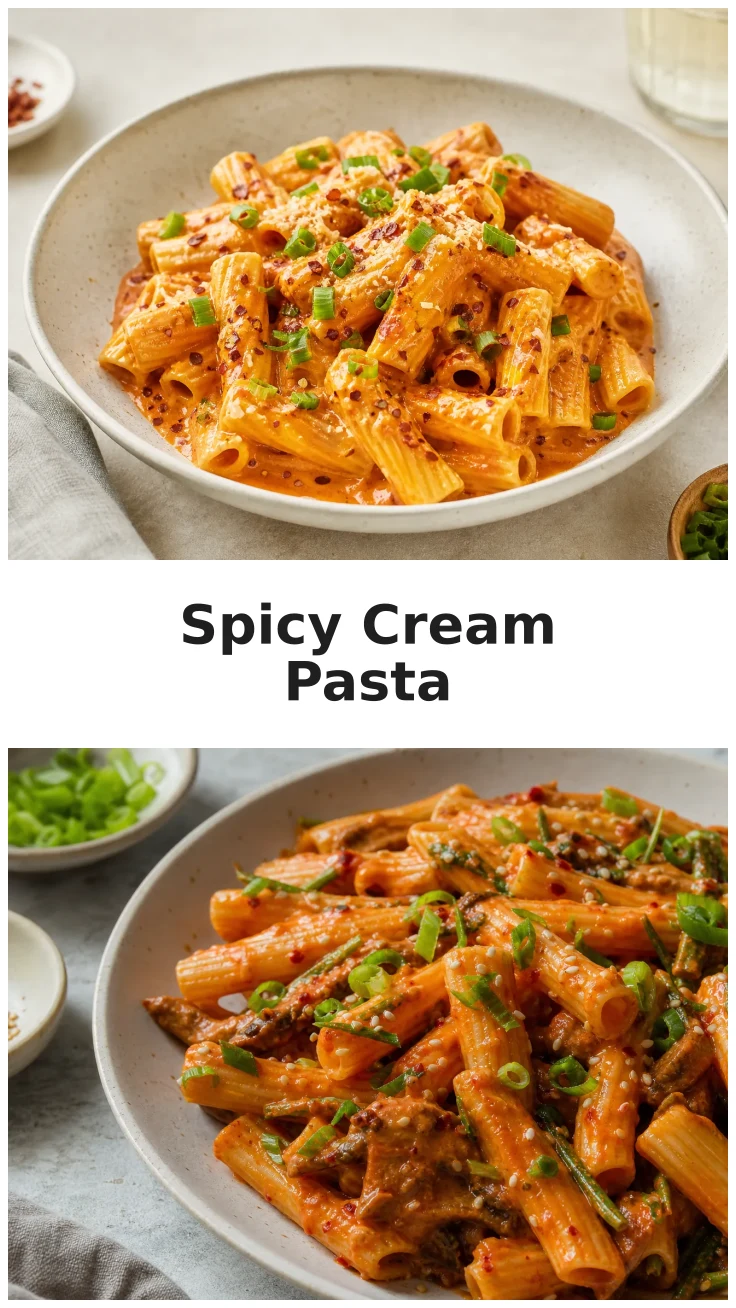
In a large skillet, heat olive oil over medium heat. Add minced garlic and sauté until fragrant. Stir in gochujang, followed by heavy cream, and stir until the gochujang is fully incorporated into the cream. Allow the sauce to simmer gently, thickening slightly. For a smoother sauce, you may refer to Creamy Tomato Parmesan Pasta for tips on achieving the perfect texture.
Combining Pasta and Sauce
Add the cooked pasta to the skillet, tossing it gently to coat with the sauce. If the sauce is too thick, add reserved pasta water a little at a time until the desired consistency is reached. Stir in grated Parmesan cheese, and season with salt and pepper to taste.
Pro Tips
To ensure your Gochujang Cream Pasta turns out perfectly every time, here are some pro tips to keep in mind:
- Use high-quality gochujang for the best flavor. The paste should be deep red and have a balanced taste of sweet, spicy, and umami.
- Do not overcook the pasta. Remember that it will continue to cook slightly when mixed with the sauce.
- Adjust the spice level by varying the amount of gochujang used. Start with a smaller amount if you’re sensitive to heat.
- For a richer flavor, consider adding a splash of soy sauce or fish sauce to the cream sauce.
One of the most important tips is to taste your sauce frequently as you prepare it. This allows you to adjust the seasoning and spice level to your preference, ensuring a dish that is tailored to your taste buds. For more spiced pasta inspiration, check out Creamy Cajun Chicken Pasta or Creamy Lentil Tomato Pasta Bake.
Love Italian cooking at home? 🍝
Get new pasta, pizza and dessert recipes made for American kitchens in your inbox every week. Free, no spam, unsubscribe anytime. See our Privacy Policy.
Serving Suggestions
Pairing with Side Dishes
Gochujang Cream Pasta is a versatile dish that pairs beautifully with a range of side dishes. For a complete meal, serve it alongside a fresh garden salad with a light vinaigrette or a simple side of steamed vegetables. Alternatively, crusty garlic bread can complement the creamy sauce perfectly.
If you’re looking for another creamy pasta inspiration, consider trying our Pumpkin Cream Pasta for a seasonal twist.
Garnishing Ideas
To elevate the presentation of your Gochujang Cream Pasta, consider garnishing it with sliced green onions or fresh cilantro. A sprinkle of toasted sesame seeds can also add a delightful crunch and nutty flavor to the dish. For a vegan-friendly option, check out Creamy Cauliflower Chickpea Pasta.
Nutritional Information
Calories and Macronutrients
Each serving of Gochujang Cream Pasta provides approximately 320 calories, with a balanced composition of carbohydrates, proteins, and fats. It offers around 48g of carbohydrates, 5g of protein, and 13g of fat, making it a satisfying and energy-packed meal.
Allergen Information
This recipe contains dairy, which may not be suitable for those with lactose intolerance or dairy allergies. If you need to adjust for dietary restrictions, consider using a dairy-free cream alternative. Always check the labels of your ingredients to ensure they meet your dietary needs.


Gochujang Cream Pasta

Equipment
- 1 Large skillet
- 1 Large pot for boiling pasta
- 1 Whisk
Ingredients
Pasta
- 8 oz spaghetti or fettuccine
Gochujang Cream Sauce
- 2 tbsp olive oil
- 3 cloves garlic minced
- 3 tbsp gochujang paste
- 1 cup heavy cream
- 1/2 cup grated Parmesan cheese
- Salt and pepper to taste
Instructions
Preparation
- Cook the pasta according to package instructions until al dente. Drain and reserve 1 cup of pasta water.
- In a large skillet, heat olive oil over medium heat. Add minced garlic and sauté until fragrant, about 1 minute.
- Stir in gochujang paste into the garlic and oil, cooking for another minute. Add the heavy cream and whisk to combine.
- Allow the sauce to simmer for 5 minutes, stirring occasionally, until slightly thickened.
- Add the cooked pasta to the skillet, tossing to coat in the sauce. Use reserved pasta water to adjust the sauce consistency if needed.
- Stir in the grated Parmesan cheese until melted and incorporated. Season with salt and pepper to taste.
Serving
- Serve the pasta hot, garnished with sliced green onions or cilantro if desired.
Storage
- Refrigerate any leftovers in an airtight container for up to 3 days. Reheat gently on the stove, adding a splash of cream or water to loosen the sauce if needed.
Notes
Ingredient Substitutions: You can use half-and-half for a lighter sauce. Add vegetables like spinach for extra nutrition.
How to Serve: Pair with a side salad or garlic bread for a complete meal.
Storage & Freshness: Refrigerate leftovers for up to 3 days. Reheat on the stove with a splash of cream.
Make-Ahead Tips: Prepare the sauce in advance and store in the fridge. Cook pasta just before serving.
FAQ
Can I make a vegan version of Gochujang Cream Pasta?
Yes, you can make a vegan version by substituting the heavy cream with a plant-based cream alternative such as coconut milk or almond milk. Use nutritional yeast instead of Parmesan cheese for a cheesy flavor. Ensure the gochujang paste you use is vegan-friendly as some may contain animal-derived ingredients.
What can I use if I don’t have gochujang?
If you don’t have gochujang, you can create a substitute by mixing together red pepper flakes, soy sauce, and a touch of sugar to mimic the sweet, spicy, and savory profile of gochujang. While it won’t be exactly the same, it will provide a similar depth of flavor to your pasta dish.
Enjoyed this recipe? Leave a review!
There are no reviews yet. Be the first one to write one.